
Testosterone is the primary male androgenic steroid hormone, serving as a fundamental driver of physical vitality, muscle mass preservation, bone mineral density, cognitive sharpness, and reproductive function. However, beginning around age 30 to 35, serum testosterone levels undergo a natural decline of approximately 1% per year. This age-related reduction—often culminating in Late-Onset Hypogonadism (LOH)—is frequently exacerbated by modern lifestyle factors, including chronic stress, visceral adiposity, environmental toxicant exposure, and poor metabolic health.
While pharmacological interventions such as Testosterone Replacement Therapy (TRT) can restore serum androgen levels, exogenous testosterone administration carries significant clinical trade-offs. Most notably, exogenous TRT exerts negative feedback on the hypothalamic-pituitary-gonadal (HPG) axis, blunting endogenous luteinizing hormone (LH) and follicle-stimulating hormone (FSH) secretion. This central suppression can lead to Leydig cell inactivation, testicular atrophy, and severe impairment of spermatogenesis, making TRT unsuited for men seeking to preserve natural fertility.
Fortunately, extensive clinical research demonstrates that physiological endocrine health can be robustly supported through targeted lifestyle behaviors. Adopting evidence-based daily habits optimizes the body’s native steroidogenic pathways, blunts excessive aromatase activity, and protects testicular tissues from oxidative decay without the need for lifelong medication.
The Endocrine Architecture: How Lifestyle Regulates Native Testosterone
To understand how daily habits maintain endogenous androgen synthesis, one must examine the hypothalamic-pituitary-gonadal (HPG) axis. Endogenous testosterone production is initiated when the hypothalamus secretes pulsatile Gonadotropin-Releasing Hormone (GnRH). GnRH acts on the anterior pituitary gland, stimulating the release of LH and FSH into systemic circulation.
When LH reaches the testes, it binds to specific receptors on Leydig cells, triggering intracellular signaling cascades that transport cholesterol across the mitochondrial membrane via Steroidogenic Acute Regulatory (StAR) protein. Pro-inflammatory cytokines, excessive Reactive Oxygen Species (ROS), elevated cortisol from chronic stress, and high aromatase enzyme activity in visceral fat can suppress GnRH output and damage Leydig cell mitochondria. Daily habits that mitigate oxidative stress and optimize cellular energy dynamics directly safeguard this endocrine cascade.
10 Evidence-Based Habits to Naturally Optimize Testosterone
1. Engage in Regular Progressive Resistance Exercise
Physical activity is a primary lifestyle regulator of male endocrine health. Engaging in structured progressive resistance training (such as weightlifting) and high-intensity interval training (HIIT) stimulates acute and chronic androgenic adaptations. Resistance exercise increases androgen receptor density in skeletal muscle and reduces circulating pro-inflammatory cytokines ($TNF-\alpha$, $IL-6$), creating a favorable environment for Leydig cell steroidogenesis. Furthermore, regular exercise enhances insulin sensitivity and boosts endogenous antioxidant enzymes, protecting testicular mitochondria from oxidative damage.
2. Reduce Visceral Adiposity to Lower Aromatase Activity
Adipose tissue—particularly visceral fat—is an active endocrine organ with high concentrations of the aromatase enzyme. Aromatase irreversibly converts circulating testosterone into estradiol. Elevated estradiol exerts potent negative feedback on the hypothalamus and pituitary, suppressing GnRH and LH secretion and blunting native testicular testosterone output.
Maintaining a healthy waist-to-hip ratio and reducing visceral adiposity breaks this vicious cycle, lowering aromatase activity and restoring physiological gonadotropin signaling.
3. Manage Chronic Psychological Stress and Lower Cortisol
Chronic stress activates the hypothalamic-pituitary-adrenal (HPA) axis, resulting in sustained elevations of circulating cortisol. Cortisol exerts a direct inhibitory effect on the HPG axis, blocking GnRH release from the hypothalamus and impairing LH signaling at the Leydig cell level. Practicing structured stress-reduction techniques—such as mindfulness, breathwork, and time outdoors—helps maintain physiological cortisol rhythms, preventing stress-induced androgen suppression.
4. Optimize Sleep Architecture and Respect Circadian Rhythms
The primary physiological pulse of testosterone production occurs during deep, uninterrupted sleep, particularly during Rapid Eye Movement (REM) cycles. Sleep fragmentation, chronic sleep deprivation (fewer than 6 hours per night), or obstructive sleep apnea significantly blunts nocturnal GnRH pulsatility and lowers daytime serum testosterone concentrations. Establishing a consistent sleep-wake schedule, maintaining a cool, dark sleeping environment, and securing 7 to 9 hours of quality sleep per night are essential for natural endocrine recovery.
5. Minimize Exposure to Endocrine-Disrupting Chemicals (EDCs)
Modern environments contain ubiquitous synthetic compounds known as Endocrine-Disrupting Chemicals (EDCs).
To reduce EDC burden, men should avoid heating food in plastics, eliminate synthetic fragrances, choose organic produce when possible, and filter drinking water.
6. Support Cellular NAD+ Status and Mitochondrial Function
At the cellular level, Leydig cell steroidogenesis depends on robust mitochondrial energy production.
Supporting NAD+ salvage pathways through regular aerobic exercise, caloric moderation, and nutrient-dense eating helps maintain mitochondrial membrane potential and preserves testicular steroidogenic capacity.
7. Adopt an Antioxidant-Rich, Anti-Inflammatory Dietary Pattern
Diets high in refined sugars, trans-fats, and ultra-processed foods trigger systemic low-grade inflammation and activate the cellular senescence pathway, which shortens telomeres and accelerates Leydig cell decay.
Conversely, an anti-inflammatory dietary pattern rich in polyunsaturated fatty acids (PUFAs), monounsaturated fats, polyphenols, zinc, and selenium supports gonadal health. Consuming foods that supply dietary antioxidants neutralizes seminal Reactive Oxygen and Nitrogen Species (RONS), protecting sperm DNA integrity and maintaining testicular membrane fluidity.
8. Eliminate Tobacco Use and Avoid Excessive Alcohol
Substance abuse directly damages the male reproductive microenvironment. Cigarette smoke delivers heavy metals and pro-oxidant compounds that induce Leydig and Sertoli cell apoptosis, impairing both steroidogenesis and spermatogenesis. Chronic heavy alcohol consumption increases the hepatic metabolism of testosterone, inhibits pituitary LH release, and elevates prolactin levels (hyperprolactinemia). Eliminating tobacco and limiting alcohol intake removes major chemical drivers of hypogonadism.
9. Incorporate Standardized Natural Botanical Adaptogens
Extensive pharmacological research highlights the efficacy of specific plant-derived bioactive extracts in supporting native gonadal function. Standardized botanical preparations—such as Ashwagandha (Withania somnifera), Fenugreek seed extract, Asian Red Ginseng (Panax ginseng), and Ginseng Stem-Leaf Saponins (GSLS)—have been shown to enhance Leydig cell steroidogenesis, lower serum cortisol levels, blunt inflammatory MAPK pathways, and enhance ROS scavenging capacity within testicular tissues.
10. Schedule Regular Health Screenings and Biomarker Screenings
Endocrine health does not exist in isolation; testosterone levels are closely tied to cardiovascular, metabolic, and mental health. Undiagnosed clinical conditions such as type 2 diabetes, dyslipidemia, subclinical thyroid disorders, or severe metabolic syndrome actively suppress native testosterone production. Routine clinical evaluation—including comprehensive hormone panels (Total T, Free T, LH, FSH, SHBG, Estradiol) and metabolic markers—allows clinicians to identify and correct underlying physiological roadblocks early.
Summary Comparison of Lifestyle Habits vs. Pharmacological TRT
| Parameter / Feature | Natural Lifestyle Optimization Habits | Pharmacological Testosterone Replacement (TRT) |
| Primary Mechanism | Enhances endogenous HPG axis activity and Leydig cell steroidogenesis. | Delivers exogenous testosterone directly into systemic circulation. |
| Impact on Sperm & Fertility | Preserves or improves spermatogenesis, sperm count, and motility. | Suppresses native spermatogenesis via LH/FSH negative feedback (risk of azoospermia). |
| Impact on Testicular Size | Maintains or improves testicular cell volume and function. | Risk of testicular atrophy due to Leydig cell inactivation. |
| Systemic Health Benefits | Enhances cardiovascular, metabolic, cellular $NAD^+$, and mental health. | Restores bone density and muscle mass, but requires ongoing monitoring. |
| Side Effect Profile | Minimal-to-no adverse side effects; highly sustainable. | Requires management of potential polycythemia, skin reactions, or prostate monitoring. |
Frequently Asked Questions
1. How long does it take to see improvements in natural testosterone levels after adopting these habits?
Physiological endocrine adjustments occur gradually. While acute improvements in energy, sleep quality, and mood may manifest within 2 to 4 weeks of adopting healthy exercise and sleep habits, measurable increases in total and free serum testosterone typically require 8 to 12 weeks of consistent adherence, aligning with the 76-day cycle of spermatogenesis and testicular cellular turnover.
2. Can overweight or obese men restore their testosterone naturally without medication?
Yes. Visceral fat contains high levels of the aromatase enzyme, which actively converts testosterone into estrogen. Clinical trials demonstrate that reducing visceral fat mass blunts aromatase activity, reduces inflammatory cytokines, and restores GnRH/LH pulsatility, leading to significant natural increases in native testosterone production.
3. Are natural botanical supplements effective at raising testosterone levels?
Standardized botanical extracts—such as Ashwagandha, Fenugreek, and Asian Red Ginseng—have been shown in clinical studies to support native testosterone synthesis. They work primarily by reducing stress hormones (cortisol), suppressing inflammatory testicular pathways, and enhancing antioxidant defenses within Leydig cells. However, supplements should complement—not replace—core lifestyle habits like sleep, exercise, and diet.
4. Does natural testosterone optimization preserve male fertility?
Yes. Unlike exogenous TRT—which shuts down pituitary LH and FSH release and halts sperm production—naturally optimizing testosterone via healthy habits strengthens HPG axis function. This preserves intra-testicular androgen concentrations, supporting Sertoli cell health, sperm count, motility, and overall reproductive capacity.
Professional Medical Guidance & Clinical Expertise
While implementing healthy lifestyle habits forms the core foundation of natural androgen maintenance, significant endocrine disruptions require specialized clinical oversight. Men experiencing severe symptoms of Late-Onset Hypogonadism—such as profound fatigue, erectile dysfunction, persistent depression, or unexplained fertility challenges—should undergo formal medical evaluation rather than relying solely on self-management.
Comprehensive diagnostic assessments—including serum total and free testosterone, gonadotropins (LH/FSH), prolactin, metabolic panels, and seminal fluid analyses—allow clinicians to pinpoint the precise root cause of endocrine imbalance.
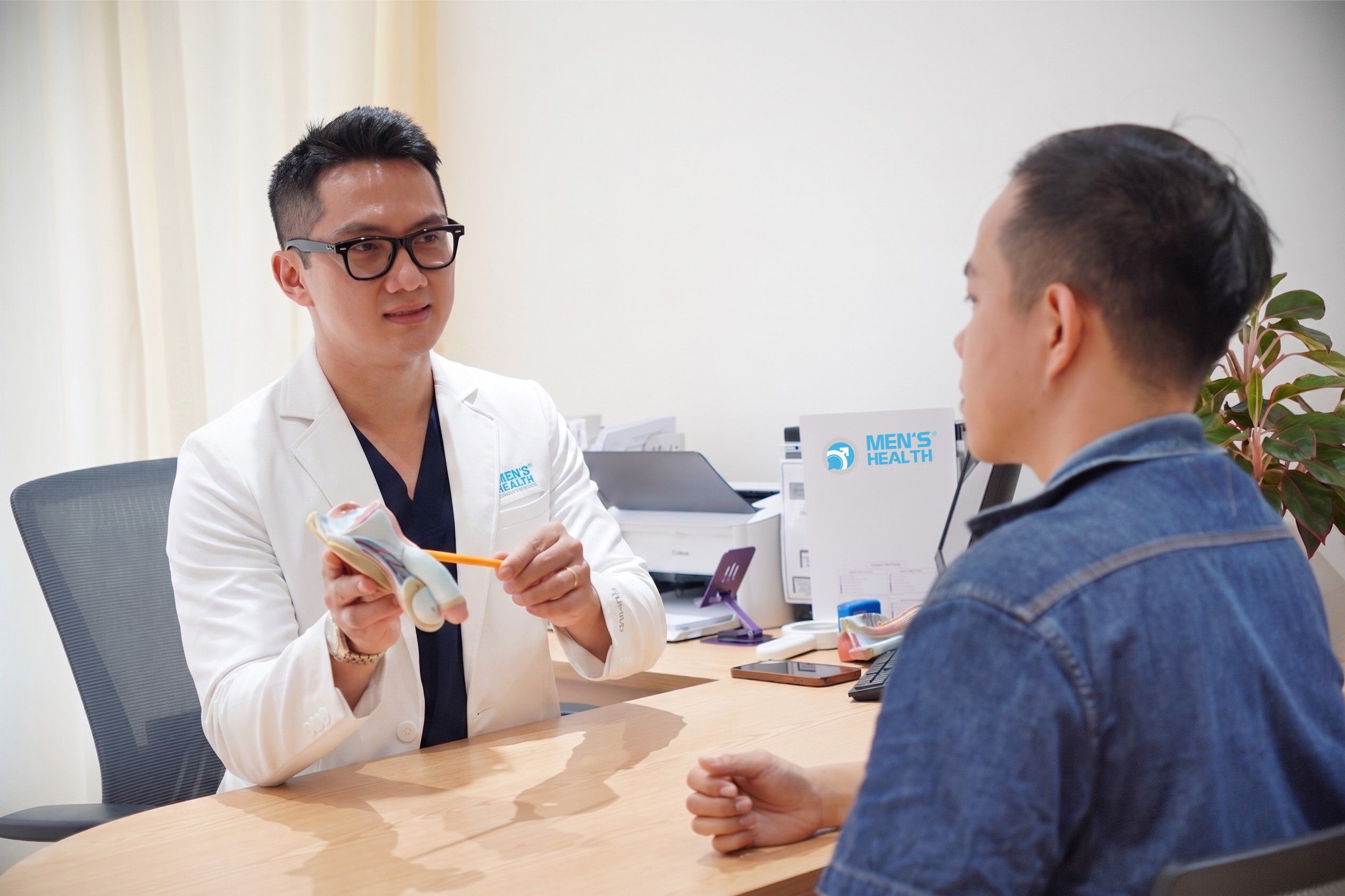
Dr. Tra Anh Duy and the multidisciplinary medical team at Men’s Health Center stand as leading authorities in male reproductive endocrinology, andrology, and metabolic wellness. By combining advanced diagnostic biomarkers with personalized, evidence-based lifestyle medicine and fertility-preserving therapies, Men’s Health Center guides men toward optimal hormonal balance, physical vitality, and long-term health span.
Reference & Scientific Literature
- Pyo, Y., & Kwon, K. H. (2024). Aging, testosterone and male fertility therapy: a review. Journal of Men’s Health, 20(8), 1–10. https://doi.org/10.22514/jomh.2024.123