Overcoming subfertility and optimizing sperm parameters remain critical challenges in modern reproductive medicine and male metabolic health. Many men facing sluggish sperm motility, abnormal morphology, or declining cell counts turn to invasive interventions without addressing the foundational role of micro- and macronutrient density. Environmental toxins, elevated oxidative stress, and the widespread adoption of ultra-processed Western-style diets have contributed significantly to a global decline in male reproductive potential.
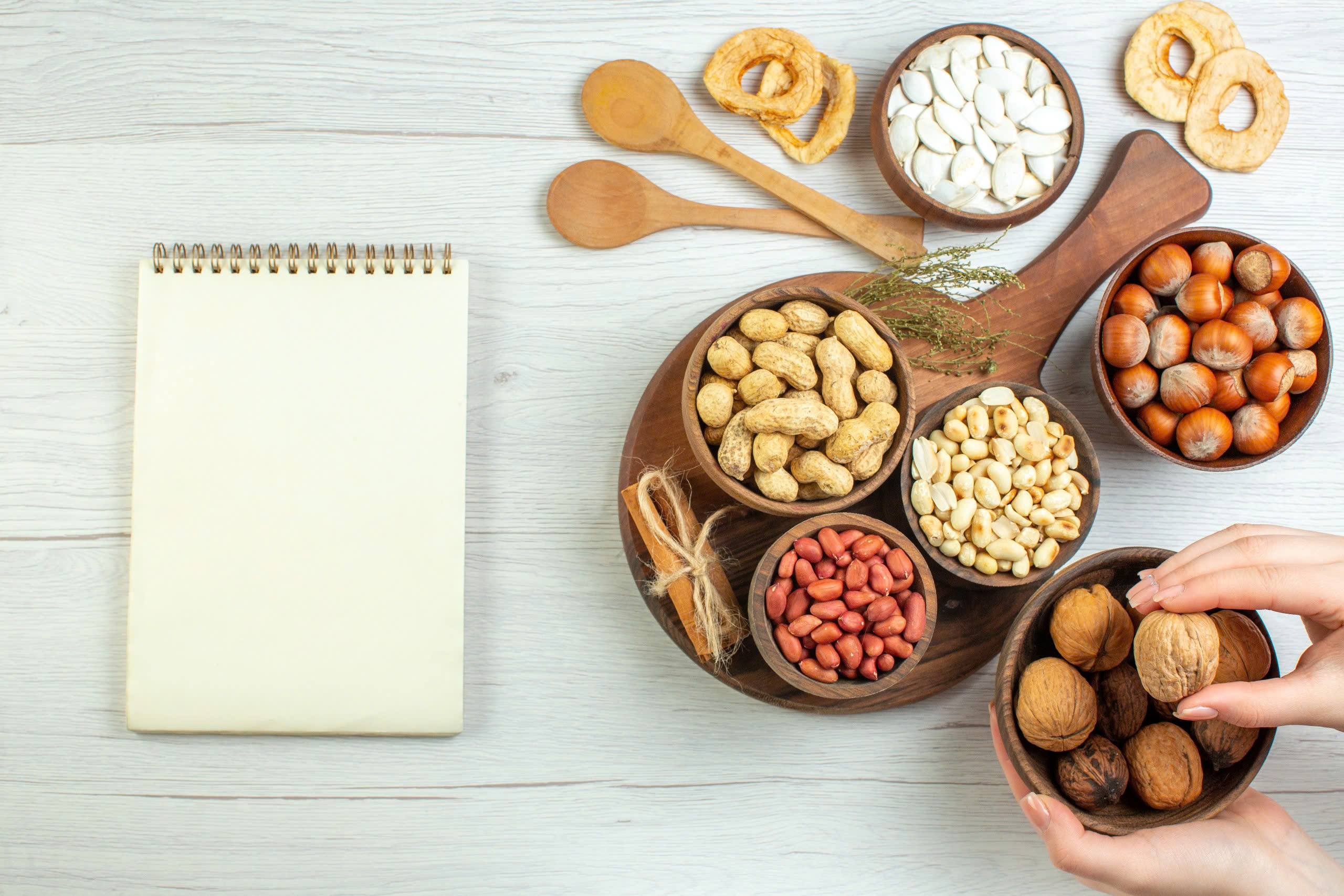
However, adjusting specific dietary inputs—particularly through the daily integration of nutrient-dense nuts—offers a scientifically validated, non-invasive strategy to enhance semen quality. Nuts represent a unique dietary matrix packed with omega-3 polyunsaturated fatty acids, high-value plant proteins, essential minerals like zinc and selenium, and potent lipophilic antioxidants.
Recent clinical literature, including landmark systematic reviews and meta-analyses published in leading nutrition journals, provides unprecedented clarity on how specific nut varieties modulate sperm membrane fluidity, reduce cellular DNA fragmentation, and safeguard developing gametes from oxidative damage. Understanding these physiological pathways is essential for optimizing male fertility, improving natural conception rates, and supporting long-term reproductive health.
The Physiology of Spermatogenesis and Susceptibility to Oxidative Stress
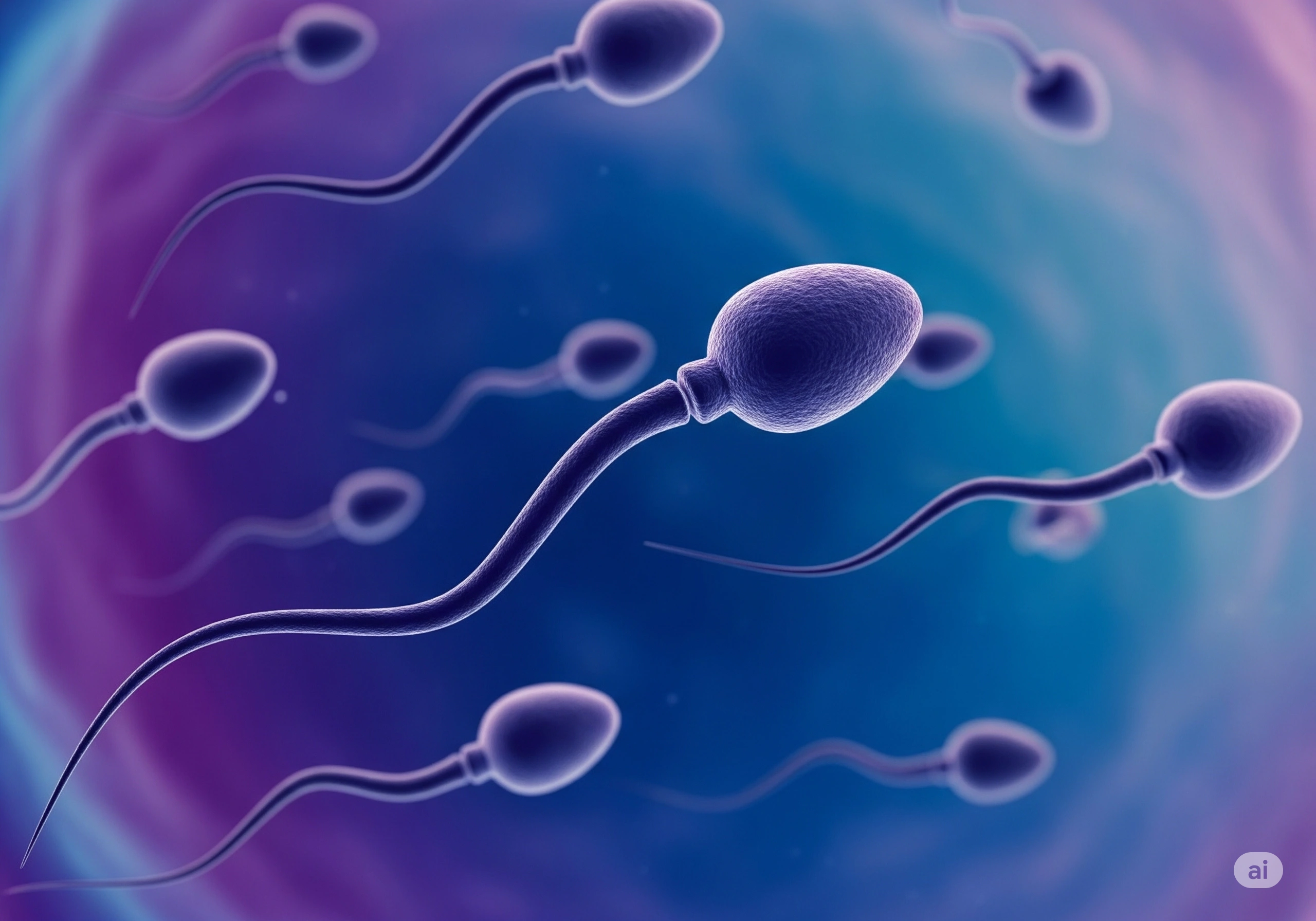
To understand how dietary components improve sperm quality, one must examine the complex biological timeline of human spermatogenesis. The production and full maturation of functional spermatozoa within the seminiferous tubules require approximately 74 to 76 days.
Throughout this 2.5-month maturation window, developing sperm cells are uniquely vulnerable to cellular stressors. The plasma membrane of a mature human spermatozoon is enriched with polyunsaturated fatty acids (PUFAs), which grant the cell membrane the high fluidity and flexibility required for progressive motility and acrosome reaction during fertilization. However, this high PUFA content makes the sperm cell membrane exceptionally susceptible to lipid peroxidation triggered by Reactive Oxygen Species (ROS).
The Impact of Excessive Reactive Oxygen Species (ROS)
When systemic inflammation, poor diet, or environmental factors generate ROS levels that exceed the seminal plasma’s natural antioxidant capacity, oxidative stress occurs. This state damages the sperm cell across three distinct primary domains:
- Membrane Rigidification: Oxidative degradation of membrane PUFAs reduces membrane fluidity, drastically impairing the sperm cell’s ability to swim progressively toward the oocyte.
- Sperm DNA Fragmentation (SDF): Excessive ROS directly induces single- and double-strand DNA breaks within the paternal chromatin, increasing the risk of fertilization failure, impaired blastocyst development, and early pregnancy loss.
- Mitochondrial Dysfunction: Oxidative damage to the sperm midpiece compromises mitochondrial ATP production, starving the flagellum of the energy needed for rapid forward progression.
Clinical Evidence: Meta-Analysis on Nut Consumption and Semen Quality
A landmark systematic review and meta-analysis conducted by Dr. Barbara R. Cardoso and colleagues at Monash University, published in Advances in Nutrition, provided rigorous quantitative evidence regarding the direct impact of nut consumption on male fertility parameters.
Analyzing randomized controlled trials (RCTs) involving young adult males consuming a typical Western-style diet, the meta-analysis demonstrated that supplementing the daily diet with at least 2 servings (60 grams) of nuts over 12 to 14 weeks yielded statistically significant, moderate-to-large improvements across essential semen parameters:
- Sperm Total Motility: Demonstrated a significant increase (Standardized Mean Difference [SMD]: 0.51; 95% CI: 0.24, 0.78; P < 0.001) compared to unsupplemented control diets.
- Sperm Vitality: Showed a robust rise in the percentage of live, viable sperm cells (SMD: 0.61; 95% CI: 0.34, 0.88; P < 0.001).
- Sperm Morphology: Produced a marked improvement in the percentage of normal structural forms (SMD: 0.54; 95% CI: 0.24, 0.83; P < 0.001).
- Genomic Integrity: Parallel clinical trial data highlighted that targeted nut consumption significantly reduced sperm DNA fragmentation and lowered sperm chromosome aneuploidy.
Deep-Dive: 7 Essential Nuts That Improve Male Sperm Quality
Integrating a variety of nuts into a daily dietary pattern introduces a synergistic mix of essential fatty acids, minerals, and bioactive antioxidants. Below is a clinical breakdown of the 7 primary nut varieties that support male reproductive function:
1. Walnuts (Juglans regia)
Walnuts stand out among tree nuts due to their exceptional concentration of alpha-linolenic acid (ALA), a plant-based omega-3 polyunsaturated fatty acid.
Clinical dietary intervention trials, such as the landmark study conducted by Dr. Wendie A. Robbins at UCLA, demonstrated that consuming 75 grams of whole walnuts daily for 12 weeks significantly improved sperm motility, vitality, and morphological normality in men on a Western diet. The direct incorporation of ALA into the sperm phospholipid membrane enhances membrane fluidity, which is essential for proper flagellar motion and successful fertilization. Furthermore, walnut intake was found to significantly decrease sperm chromosome aneuploidy (chromosomal abnormalities).
2. Almonds (Prunus dulcis)
Almonds are one of the most concentrated natural dietary sources of vitamin E (alpha-tocopherol), providing up to 49% of the daily recommended intake in a single 30-gram serving.
Vitamin E acts as a primary chain-breaking, fat-soluble antioxidant within the sperm cell membrane. It neutralizes free radicals before they can attack membrane lipids, preserving structural integrity. Almonds also contain high levels of L-arginine, a precursor amino acid for nitric oxide (NO) synthesis, which supports healthy testicular microvascular blood flow and erectile function.
3. Brazil Nuts (Bertholletia excelsa)
Brazil nuts are the single richest known food source of organic selenium. Selenium is an indispensable micronutrient for male fertility because it forms the structural backbone of glutathione peroxidase (GPx) and selenoprotein P—key enzymatic defenses against seminal oxidative stress.
Selenium deficiency is clinically associated with structural defects in the sperm midpiece, compromised flagellar integrity, and reduced motility. Consuming just 1 to 2 Brazil nuts per day supplies sufficient selenium to optimize seminal antioxidant capacity, reduce DNA strand breaks, and support normal tail structure during spermatogenesis.
4. Cashews (Anacardium occidentale)
Cashews provide a rich source of bioavailable zinc, a trace mineral highly concentrated in critical male reproductive tissues, including the prostate gland and seminal plasma.
Zinc plays a required role in testicular steroidogenesis, supporting normal serum testosterone synthesis. At the cellular level, zinc stabilizes sperm chromatin, prevents premature acrosome reactions, and aids sperm capacitation. Clinical data confirms that adequate seminal zinc levels directly correlate with higher sperm counts and enhanced progressive motility.
5. Hazelnuts (Corylus avellana)
Hazelnuts feature an exceptional fatty acid profile dominated by monounsaturated fatty acids (MUFAs), alongside significant quantities of folate (vitamin B9) and vitamin E.
Replacing dietary trans-fats and saturated fats with MUFAs improves systemic vascular health and insulin sensitivity. Folate plays a key role in DNA synthesis, methylation pathways, and cell division within the germinal epithelium. Clinical research indicates that optimal folate levels help preserve sperm concentration and reduce the rate of chromosomal abnormalities in developing gametes.
6. Pistachios (Pistacia vera)
Pistachios are packed with bioactive polyphenols, carotenoids (lutein and zeaxanthin), and phytosterols.
These potent phytochemicals possess strong anti-inflammatory and radical-scavenging properties. By blunting systemic endothelial inflammation and improving lipid profiles, pistachio consumption supports microvascular health throughout the reproductive tract. Enhanced microcirculation ensures optimal delivery of oxygen and nutrients to the Leydig and Sertoli cells within the testes.
7. Pine Nuts (Pinus gerardiana)
Pine nuts offer a rich combination of essential minerals, including zinc, magnesium, and manganese, along with a low glycemic index (GI) macronutrient structure.
The high protein, fiber, and healthy fat content of pine nuts slows postprandial glucose absorption and suppresses rapid insulin spikes. Managing insulin resistance is crucial for male fertility, as hyperinsulinemia is clinically linked to elevated sperm DNA fragmentation, reduced mitochondrial membrane potential, and lower total sperm counts.

Comparative Nutritional Profiles of Fertility-Boosting Nuts
| Nut Variety | Primary Active Fertility Nutrients | Primary Impact on Semen Quality | Recommended Daily Serving |
| Walnuts | Alpha-Linolenic Acid (ALA Omega-3), Polyphenols | Improves membrane fluidity, motility, and morphology; lowers aneuploidy. | 30 – 75 grams (1 – 2.5 oz) |
| Almonds | Alpha-Tocopherol (Vitamin E), L-Arginine, MUFAs | Protects membrane lipids from ROS; supports testicular microcirculation. | 30 grams (~23 almonds) |
| Brazil Nuts | Organic Selenium, Vitamin E | Activates glutathione peroxidase; preserves sperm tail & midpiece structure. | 1 – 2 nuts (~5 – 10 grams) |
| Cashews | Bioavailable Zinc, Magnesium, Protein | Supports testosterone synthesis, chromatin stability, and acrosome integrity. | 30 grams (~18 cashews) |
| Hazelnuts | Monounsaturated Fats (MUFAs), Dietary Folate | Aids germinal cell division; supports systemic metabolic health. | 30 grams (~20 hazelnuts) |
| Pistachios | Phytosterols, Lutein, Carotenoids | Neutralizes seminal ROS; supports penile & testicular endothelial function. | 30 grams (~49 pistachios) |
| Pine Nuts | Zinc, Manganese, Pinolenic Acid | Lowers postprandial glucose volatility; protects mitochondrial energy production. | 30 grams (~1 tablespoon) |
Physiological Mechanisms: How Nut Nutrients Optimize Sperm Parameters
The cumulative benefit of consuming a mix of these 7 nut varieties stems from overlapping, multi-targeted biochemical pathways:
1. Sperm Membrane Fatty Acid Remodeling
Consuming nuts rich in ALA and MUFAs alters the phospholipid composition of the sperm cell membrane. As maturing sperm incorporate omega-3 fatty acids into their outer membranes, the lipid bilayer becomes more flexible. This increased fluidity is directly required for the tail to produce strong, whip-like progressive movements (motility) and for the sperm head to undergo the acrosome reaction upon reaching the egg.
2. Enhancement of the Seminal Antioxidant Shield
Seminal plasma contains both enzymatic antioxidants (such as superoxide dismutase [SOD] and catalase) and non-enzymatic antioxidants (such as vitamins E and C). The polyphenols, vitamin E, zinc, and selenium supplied by nuts bolster this biological shield. By scavenging excessive hydroxyl and superoxide free radicals, these nutrients prevent lipid peroxidation and keep sperm DNA fragmentation rates low.
3. Gut Microbiome Remodeling and Insulin Sensitivity
Nuts contain dietary fibers and resistant starches that exert a prebiotic effect in the human gastrointestinal tract. Selectively nourishing beneficial gut bacteria reduces systemic endotoxemia and systemic inflammatory cytokines. Concurrently, the low glycemic index of nuts prevents sharp blood sugar spikes, improving peripheral insulin sensitivity. Because insulin resistance directly impairs Leydig cell function and disrupts the hypothalamic-pituitary-gonadal (HPG) axis, maintaining steady glucose levels helps preserve normal testosterone output.
Practical Dietary Integration Guidelines for Men
To achieve measurable improvements in sperm parameters, men should apply the following evidence-based nutrition guidelines:
- Maintain Consistent Daily Intake: Because human spermatogenesis takes approximately 76 days, dietary modifications must be maintained continuously for at least 3 months before evaluating improvements on a formal semen analysis.
- Target Effective Clinical Doses: Clinical trials confirm that beneficial effects on motility and morphology occur at daily intakes of at least 2 servings (60 grams) of mixed nuts per day.
- Choose Raw or Dry-Roasted Varieties: Select raw, un-salted, or dry-roasted nuts. Avoid nut products coated in hydrogenated oils, refined sugars, or excessive sodium, as ultra-processed additives promote oxidative stress and offset the natural anti-inflammatory benefits.
- Create a Daily Mixed Nut Blend: Combine different nut varieties to cover all micronutrient bases:
- 30g Walnuts (for ALA Omega-3)
- 15g Almonds (for Vitamin E)
- 15g Hazelnuts or Cashews (for MUFAs & Zinc)
- 1 Brazil Nut (for Selenium)
Frequently Asked Questions
1. Why are walnuts considered the most effective nut for improving sperm quality?
Walnuts contain exceptionally high levels of plant-based omega-3 fatty acids (alpha-linolenic acid, or ALA) compared to other tree nuts. Clinical trials show that consuming 75 grams of walnuts daily for 12 weeks directly enriches the sperm cell membrane with omega-3s, significantly improving progressive motility, morphology, and vitality while reducing chromosomal abnormalities.
2. How long does it take for dietary changes like eating nuts to show up on a semen analysis?
Because human sperm maturation (spermatogenesis) requires approximately 74 to 76 days (around 2.5 to 3 months), dietary interventions must be followed consistently for a minimum of 12 to 14 weeks before a semen analysis will show measurable improvements in sperm count, motility, and DNA integrity.
3. Can eating nuts cause weight gain due to their high calorie and fat content?
Clinical meta-analyses of prospective cohort studies and randomized controlled trials show that regular nut consumption does not lead to weight gain or increased body adiposity. Paradoxically, the high fiber, protein, and unsaturated fat content of nuts enhances satiety, regulates postprandial blood sugar, and supports healthy body weight management.
4. Are roasted and salted nuts as beneficial for male fertility as raw nuts?
Raw or dry-roasted unsalted nuts are recommended for reproductive health. Deep-fried or heavily processed nuts often contain trans-fats, unhealthy industrial seed oils, and high sodium levels, which can promote systemic inflammation and counteract the antioxidant benefits of the nuts themselves.
Professional Medical Advice and Clinical Consultation
While integrating fertility-boosting nuts into a balanced diet provides strong nutritional support for sperm parameters, male subfertility can stem from underlying medical conditions. Issues such as varicocele, hormonal imbalances, reproductive tract infections, genetic factors, or severe anatomical abnormalities require comprehensive diagnostic evaluation.
Men experiencing difficulty conceiving or seeking to optimize their reproductive health should undergo professional clinical evaluation, including a formal semen analysis, hormone profiling, and scrotal ultrasound. Dr. Tra Anh Duy and the medical team at Men’s Health Center provide expert diagnostic care, personalized treatment protocols, and evidence-based reproductive guidance to help men achieve optimal reproductive vitality and overall wellness.
Reference & Scientific Literature
- Cardoso, B. R., Fratezzi, I., & Kellow, N. J. (2024). Nut Consumption and Fertility: a Systematic Review and Meta-Analysis. Advances in Nutrition, 15(1), 100153. https://doi.org/10.1016/j.advnut.2023.100153