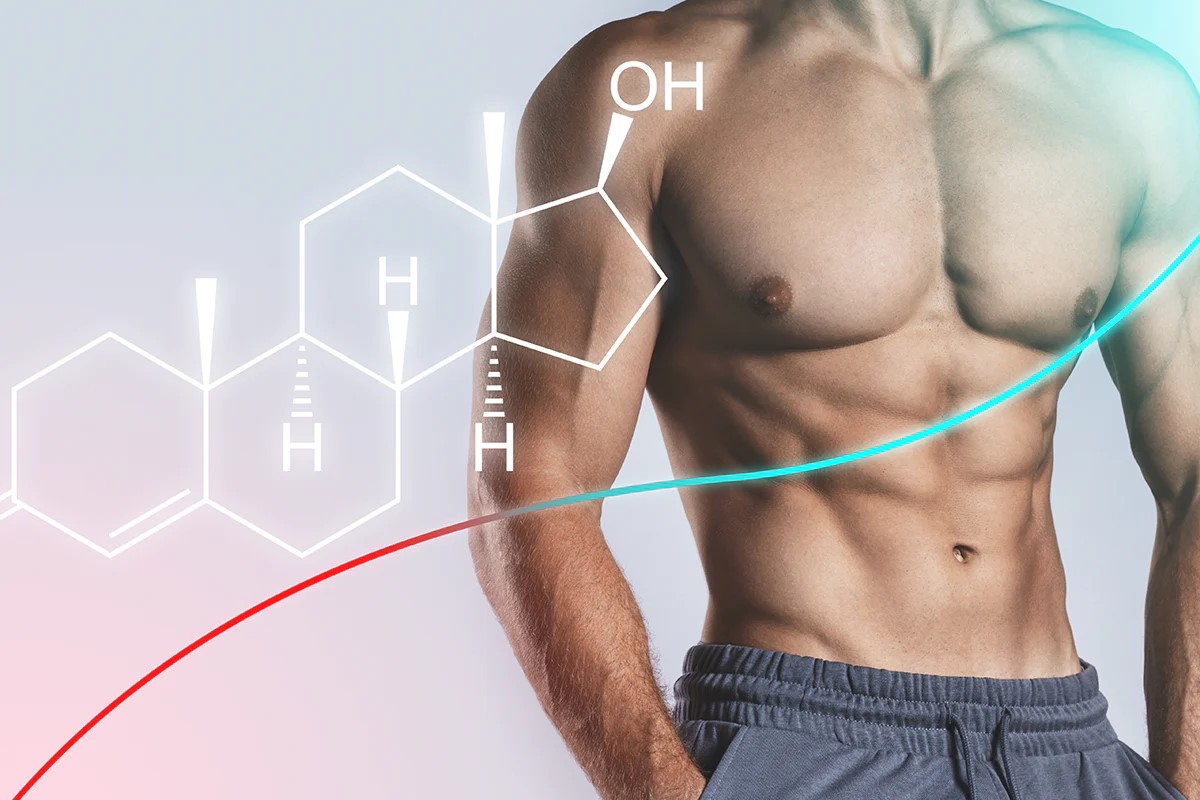
Many men find that despite strict calorie restriction and hours of cardiovascular exercise, body fat—particularly around the abdomen—remains stubbornly resistant. This frustrating plateau often leads to questions regarding underlying hormonal mechanisms: Is low testosterone the primary reason men struggle with weight loss?
While weight loss is fundamentally governed by energy balance, serum testosterone levels exert a profound influence over metabolic rate, body composition, adipose tissue distribution, and insulin sensitivity. As men age or develop metabolic disorders, falling androgen levels create a self-reinforcing physiological cycle with visceral obesity and insulin resistance.
Understanding the bidirectional relationship between low testosterone and weight loss, evaluating the cellular mechanisms of metabolic decay, and identifying evidence-based, safe management strategies are essential for achieving sustainable health improvements.
The Bidirectional Link Between Low Testosterone, Obesity, and Insulin Resistance
The relationship between serum testosterone and body composition is not a simple one-way cause-and-effect pathway. Instead, endocrinological literature defines it as a vicious, self-perpetuating bidirectional cycle where low testosterone drives adipose tissue accumulation, and excess visceral fat actively suppresses endogenous testosterone production.
1. How Low Testosterone Promotes Fat Gain
Testosterone binds to androgen receptors located in skeletal muscle, bone, and adipose tissues. Adequate androgen signaling promotes myogenesis (muscle tissue synthesis) while inhibiting adipogenesis (the differentiation of stem cells into mature fat cells).
When testosterone levels decline:
- Skeletal Muscle Atrophy: Muscle mass decreases, lowering baseline Resting Energy Expenditure (REE) and reducing total daily calorie burning.
- Upregulation of Lipoprotein Lipase (LPL): Low androgen activity increases LPL activity in abdominal fat deposits, accelerating the storage of circulating triglycerides into visceral adipocytes.
- Insulin Resistance: Decreased muscle tissue impairs peripheral glucose disposal, leading to hyperinsulinemia. Elevated circulating insulin acts as a potent lipogenic hormone, inhibiting lipolysis (fat breakdown) and making weight loss extremely difficult.
2. How Visceral Obesity Suppresses Testosterone Synthesis
Conversely, carrying excess adipose tissue directly shuts down native testosterone production through three distinct biological mechanisms:
- Elevated Aromatase Activity: Visceral fat cells express high concentrations of the aromatase enzyme, which converts circulating testosterone into estradiol. Elevated estradiol signals the brain (hypothalamus and pituitary) that sufficient sex hormones are present, suppressing Gonadotropin-Releasing Hormone (GnRH) and Luteinizing Hormone (LH) output.
- Systemic Low-Grade Inflammation: Enlarged visceral adipocytes secrete pro-inflammatory cytokines, specifically Tumor Necrosis Factor-alpha and Interleukin-. These cytokines pass through circulation to the testes, direct Leydig cell damage, and inhibit steroidogenic acute regulatory (StAR) protein expression.
- Hyperleptinemia and Hypothalamic Resistance: Obese individuals produce high levels of leptin from fat stores. Chronic hyperleptinemia blunts GnRH secretion at the hypothalamic level, further reducing pituitary LH stimulation of testicular Leydig cells.
Aging, Endocrine Decline, and Cellular Metabolic Decay
Understanding the connection between low testosterone and weight loss requires examining the broader context of male aging and cellular metabolic decline.
Starting around age 30 to 35, serum total testosterone levels decline by approximately 1% per year, while calculated free testosterone (cFT)—the un-bound, biologically active fraction—falls even faster due to age-related increases in Sex Hormone-Binding Globulin (SHBG). Between 30% and 70% of men over age 70 experience clinical androgen deficiency, termed Late-Onset Hypogonadism (LOH).
1. Cellular NAD+ Depletion and Mitochondrial Dysfunction
Mitochondrial dysfunction leads to electron leakage and excessive production of Reactive Oxygen Species (ROS). In the presence of depleted glutathione (GSH) defenses, oxidative stress damages Leydig cell proteins, lipids, and mitochondrial DNA (mtDNA), reducing steroidogenic capacity.
2. The p38 MAPK Senescence Pathway
Testicular oxidative stress and systemic inflammation from visceral fat activate the p38 mitogen-activated protein kinase (p38 MAPK) pathway. Activation of p38 MAPK shortens telomere length, accelerates epigenetic aging, and induces cellular senescence in Leydig cells.
Evaluating Weight Loss Strategies: Lifestyle, Natural Adaptogens, and TRT
When men with low testosterone struggle to lose weight, selecting the appropriate management strategy requires balancing metabolic efficacy, long-term safety, and reproductive goals.
1. First-Line Strategy: Structured Lifestyle Modifications
Clinical research confirms that weight loss achieved through caloric moderation and regular physical activity directly increases endogenous testosterone levels.
- Resistance Exercise: Engaging in progressive weightlifting 3 to 4 times per week builds skeletal muscle mass, increases androgen receptor density, improves insulin sensitivity, and lowers pro-inflammatory cytokines.
- Reducing Visceral Fat: Losing visceral adiposity lowers aromatase activity, reducing the conversion of testosterone to estradiol and releasing the HPG axis from negative feedback.
- Sleep Hygiene: Peak native testosterone synthesis occurs during deep, uninterrupted REM sleep. Securing 7 to 8 hours of quality sleep per night minimizes nocturnal cortisol spikes and supports GnRH pulsatility.
2. Botanical Adaptogens and Natural Steroidogenic Support
Recent literature highlights growing interest in natural product-derived pharmacological therapies to support Leydig cell function and enhance antioxidant capacity without disrupting the HPG axis:
- Ginseng Stem-Leaf Saponins (GSLS) & Panax Ginseng: Animal and clinical models demonstrate that GSLS protects Leydig cells from oxidative injury, inhibits inflammatory MAPK activation, significantly increases serum testosterone, and reduces circulating cortisol.
- Ashwagandha & Fenugreek Extracts: Clinical trials indicate that these standardized root extracts lower stress hormones, enhance native androgen production, and support exercise performance.
- Taurine & L-Carnitine: Supplying oral antioxidants restores HPG axis secretory activity, stabilizes cell membranes, improves mitochondrial energy metabolism, and scavenges seminal ROS.
3. Pharmacological Testosterone Replacement Therapy (TRT)
For men with clinically confirmed Late-Onset Hypogonadism who fail to respond to lifestyle modifications alone, Testosterone Replacement Therapy (TRT) offers documented metabolic benefits:
- Body Composition: Randomized double-blind placebo-controlled trials show that 12 months of TRT significantly reduces fat mass (average reduction of 1.35 kg) while preserving skeletal muscle mass and bone mineral density.
- Metabolic Markers: Long-term TRT improves glycemic control, insulin sensitivity, ambulatory blood pressure, and red blood cell production (correcting hypogonadal anemia).
- CRITICAL FERTILITY WARNING: While TRT improves body composition, exogenous testosterone suppresses pituitary LH and FSH secretion through negative feedback. This shuts down native intratesticular testosterone synthesis and halts spermatogenesis, leading to severe oligospermia or complete azoospermia. Men actively seeking fatherhood must avoid conventional TRT and opt for non-suppressive medical treatments guided by a specialist.
Low Testosterone and Weight Loss & Frequently Asked Questions
1. Does having low testosterone directly cause weight gain in men?
Low testosterone does not create calories out of thin air, but it significantly alters body composition. Low androgen levels cause skeletal muscle loss (reducing resting metabolic rate) and upregulate lipoprotein lipase in abdominal fat, making the body accumulate visceral fat more easily and making weight loss far harder.
2. Can losing weight naturally raise my testosterone levels without taking hormone medications?
Yes. Losing visceral fat reduces aromatase enzyme activity, which lowers the conversion of testosterone into estradiol. This relieves negative feedback on the brain, allowing the pituitary to release more LH and stimulating the testes to produce higher levels of native testosterone.
3. Is Testosterone Replacement Therapy (TRT) a good standalone treatment for weight loss?
No. TRT is a medical treatment for hypogonadism, not a simple weight loss drug. Clinical trials show that while TRT improves lean mass and helps reduce fat mass when combined with healthy habits, taking exogenous testosterone without proper nutrition and exercise yields minimal physical performance improvements and carries health risks.
4. Why does TRT cause infertility in men trying to lose weight?
Exogenous testosterone enters the bloodstream and signals the brain (hypothalamus and pituitary) that plenty of sex hormones are present. In response, the brain stops releasing LH and FSH. Without LH and FSH, the testes stop producing natural intratesticular testosterone and halt sperm production.
Professional Medical Advice and Expert Clinical Guidance
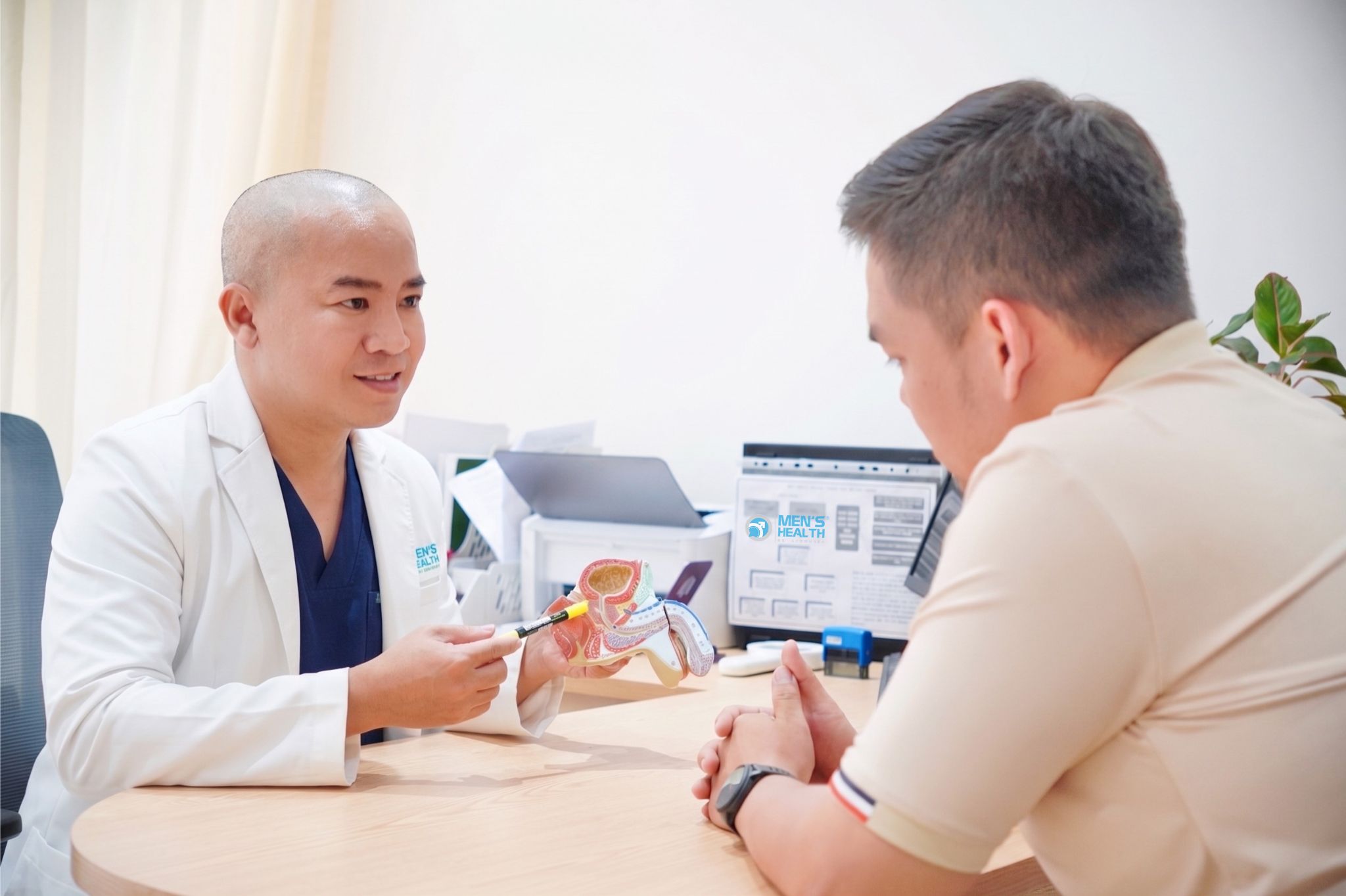
Navigating weight loss resistance, metabolic dysfunction, and low testosterone requires comprehensive, individual-centered medical evaluation. Attempting unguided hormone therapy or relying on unverified supplements can cause severe endocrine imbalances, cardiovascular stress, or permanent fertility loss.
Men struggling with resistant weight gain, physical fatigue, low libido, or metabolic challenges should undergo formal clinical evaluations—including fasting morning total and free testosterone testing, LH/FSH profiling, lipid panels, and metabolic screenings.
Dr. Tra Anh Duy and the specialized medical team at Men’s Health Center are recognized leaders in male reproductive endocrinology, andrology, and metabolic wellness. By combining advanced diagnostic biomarkers with personalized lifestyle medicine, evidence-based natural product therapies, and fertility-preserving endocrine care, Men’s Health Center supports men in overcoming weight loss plateaus, restoring native hormonal vitality, and achieving sustainable health.
Reference & Scientific Literature
- Pyo, Y., & Kwon, K. H. (2024). Aging, testosterone and male fertility therapy: a review. Journal of Men’s Health, 20(8), 1–10. https://doi.org/10.22514/jomh.2024.123